IPL for Acne Treatment in Doncaster
Acne and persistent spots affect people at every age, not just during teenage years, and the physical and emotional impact of ongoing breakouts can be significant. Post-breakout redness, visible spots and the uneven skin tone they leave behind are among the most common concerns that bring people to Elements Medical — and IPL treatment is one of the most well-established non-invasive options available for addressing them.
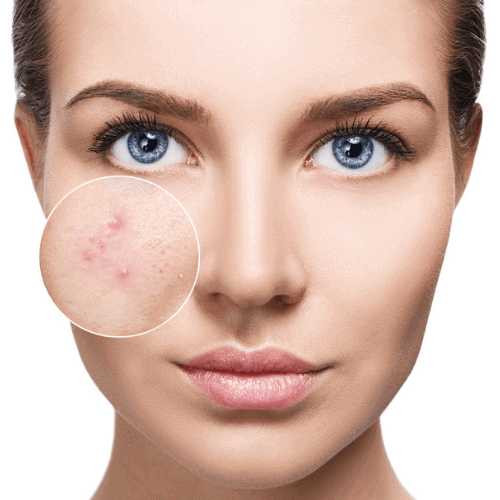
IPL works by delivering controlled pulses of broad-spectrum light energy into the skin, targeting the visible chromophores — the light-absorbing components — responsible for redness, the appearance of active spots and the post-breakout marks that can persist long after a spot has cleared. Over a course of sessions, this produces a cumulative improvement in skin clarity, tone and overall quality that is difficult to achieve through topical skincare alone.
Crucially, IPL treatment sits firmly within the cosmetic scope at Elements Medical — it is not a substitute for GP or dermatologist management of clinical acne conditions and is not positioned as such. It is an effective and well-tolerated option for improving the visible appearance of spot-prone skin, reducing the look of post-breakout redness and improving overall skin tone and clarity for people who want a non-invasive, in-clinic route to better-looking skin.
Our Doncaster clinic is on Thorne Road with on-site parking, and we welcome patients from across South Yorkshire including Rotherham, Wakefield, Sheffield, Leeds and Barnsley.
What Is IPL and How Does It Work?
IPL stands for Intense Pulsed Light. Unlike laser treatments, which use a single wavelength of light, IPL uses a broad spectrum of light wavelengths that are filtered to target specific chromophores in the skin — primarily oxyhaemoglobin (the red pigment in blood vessels) and melanin (the pigment responsible for post-breakout marks and uneven tone).
When IPL light energy is absorbed by these chromophores, it converts to heat within the target tissue. In the context of acne and skin clarity treatment, this heat energy produces several beneficial responses:
The light energy targets the haemoglobin in the dilated blood vessels associated with red, inflamed spots and post-breakout marks, causing them to contract and gradually become less visible. It also acts on the melanin in post-inflammatory hyperpigmentation — the darker marks left after spots heal — breaking down pigmented cells so that the skin can renew more evenly. Additionally, the thermal response stimulates fibroblast activity and new collagen production in the dermis, improving overall skin texture, firmness and quality as the course progresses.
The result over a course of sessions is a progressive improvement in skin clarity — fewer visibly active spots, less redness, more even overall tone and a healthier, brighter quality to the skin surface.
The clinical evidence for intense pulsed light treatment in skin rejuvenation and post-inflammatory hyperpigmentation is supported by peer-reviewed research.British Journal of Dermatology — IPL and skin treatments
How Is IPL Treatment Performed? Step by Step
Before treatment:
- A full consultation is held to assess your skin type, concerns and suitability for IPL; the appropriate parameters are confirmed and expected outcomes are discussed
- A test patch is performed at or before your first session to assess your skin’s response and confirm safety
- On the day of treatment, the skin is thoroughly cleansed and any makeup or skincare removed
- Protective eyewear is provided for both patient and practitioner throughout the procedure
During treatment:
- A cool gel is applied to the treatment area to help conduct the light energy and protect the skin surface
- The IPL handpiece is moved systematically across the treatment area, delivering controlled pulses of broad-spectrum light to the full treatment zone
- Each pulse produces a brief, warm sensation — often described as a gentle flick or snap — that most patients find very comfortable
- The procedure takes 25 to 45 minutes depending on the size of the area being treated
After treatment:
- Mild redness and warmth in the treated area are normal and typically resolve within a few hours
- The skin should be kept cool and calm; avoid heat, exercise and direct sun exposure for 24–48 hours
- Broad-spectrum SPF must be worn daily following treatment and throughout the course
- Treated pigmented spots or post-breakout marks may initially appear darker before they flake away — this is a normal and expected part of the process
- Visible improvement builds progressively across the course; most patients begin to notice results from their third or fourth session
3 Purposes of IPL Treatment for Skin Clarity
Every IPL course at Elements Medical serves three clear therapeutic purposes.
1. Restoring Skin Clarity by Reducing the Visible Effects of Spots and Post-Breakout Marks
The most immediate purpose of IPL treatment for spot-prone skin is to address the visible signs that active spots and breakouts leave behind — the redness, the dark marks and the uneven tone that persist long after the skin has healed. By targeting the chromophores responsible for these visible effects, IPL progressively restores a more even, clearer skin tone across the treatment area, reducing the visual impact of the skin concern that is causing distress. The collagen stimulation triggered by IPL treatment also improves skin texture and quality over time, contributing to a healthier overall appearance.
2. Maintaining Clearer Skin Through a Progressive Course of Light Energy Treatments
A single IPL session produces a noticeable response, but the cumulative effect of a course is substantially greater. Each session builds on the last, with the skin’s regenerative response producing progressive improvement in clarity, tone and overall quality across the full course. Maintenance sessions following the initial course help sustain the improved skin clarity that the course achieves and support the skin against the ongoing cycle of breakouts and post-breakout marks that spot-prone skin is prone to. Regular review of the treatment plan ensures the interval and parameters continue to serve each patient’s evolving skin needs.
3. Protecting Psychological Wellbeing Through a Practical, Accessible Route to Visible Improvement
The emotional impact of persistent spots and breakouts on self-confidence and psychological wellbeing is well recognised — and the frustration of feeling that your skin is not something you can control is a common experience among the patients who come to us for IPL. Having an effective, clinically established, non-invasive in-clinic option available — one that requires no downtime and can be fitted around normal daily life — removes a significant practical barrier to taking action. The confidence that comes from seeing progressive improvement in skin clarity across a course of treatment, and from feeling that you are doing something effective about a concern that has affected you for a long time, has genuine and meaningful wellbeing value.
7 Proven Benefits of IPL for Acne and Skin Rejuvenation
1. Reduces the appearance of active spots and post-breakout redness IPL’s targeted light energy acts on the haemoglobin in the blood vessels associated with active spots and post-inflammatory redness, progressively reducing their visible appearance across a course of sessions.
2. Improves the look of post-breakout marks and uneven skin tone The light energy targets melanin in post-inflammatory hyperpigmentation — the darker marks left after spots heal — breaking down pigmented cells so the skin renews more evenly and the overall complexion appears clearer.
3. Stimulates new collagen production for improved skin quality The thermal response from IPL treatment activates fibroblasts in the dermis, stimulating new collagen production that progressively improves skin texture, firmness and overall quality alongside the clarity improvements.
4. Minimal downtime — normal daily activities can be resumed immediately IPL treatment requires no meaningful recovery time. Mild redness resolves within a few hours, making it practical for people who cannot accommodate a recovery window into their schedule.
5. Suitable for face, neck, chest, back and body IPL treatment is not limited to the face — it can be applied to any area where spots or post-breakout marks are a concern, including the neck, chest, back and shoulders.
6. Comfortable and well-tolerated treatment Most patients find IPL treatment very comfortable, describing the sensation as a gentle warmth or brief snap. No anaesthetic is required.
7. Progressive results that build across a course Unlike some treatments that produce an immediate but short-lived effect, IPL produces cumulative improvement across a course — each session building on the last to deliver progressively clearer, more even and healthier-looking skin.
What Can IPL Treat?
Active Spots and Visible Breakouts
IPL’s targeted light energy addresses the visible redness and inflammation associated with active spots by acting on the oxyhaemoglobin in the dilated blood vessels that give spots their red, inflamed appearance. Over a course of sessions, this produces a visible reduction in the appearance of active breakouts and the severity of redness in spot-prone areas.
Post-Breakout Redness and Marks
One of the most persistent and frustrating aspects of acne-prone skin is the red and dark marks that remain after spots have healed. IPL targets both the vascular component of post-breakout redness and the melanin in post-inflammatory hyperpigmentation, progressively fading these marks and restoring a more even skin tone across the treatment area.
Oily Appearance and Skin Texture
IPL treatment stimulates collagen and elastin production in the dermis, improving the overall texture, firmness and quality of the skin surface alongside its clarity-improving effects. Patients typically notice a healthier, more refined-looking skin texture developing progressively across their course.
Uneven Skin Tone and Dullness
Beyond its acne-specific effects, IPL photo-rejuvenation improves the general evenness, brightness and overall quality of the skin tone — making it an effective option for patients whose primary concern is dull, uneven complexion rather than active spots specifically.
Chest, Back and Body Spots
Spots do not occur only on the face — breakouts affecting the chest, back, neck and shoulders are very common and can cause significant self-consciousness. IPL can be applied to any of these areas, extending the benefits of the treatment beyond the face for patients with broader distribution of their concerns.
IPL for Acne vs Dermalux LED Light Therapy — Understanding the Difference
Both IPL and Dermalux LED light therapy use light energy to treat skin concerns, but they operate through different mechanisms and serve different purposes.
Dermalux LED uses low-level light at specific wavelengths — including blue light for its antimicrobial effect on the bacteria associated with spots, and red light for its collagen-stimulating and anti-inflammatory properties. It is a very gentle treatment with no heat delivery, no downtime and no test patch requirement. It is particularly well suited as a gentle, ongoing maintenance treatment, as a complement to other treatments, or for patients with highly sensitive skin.
IPL delivers substantially more energy to the skin through intense pulsed light, targeting chromophores with a thermal effect that produces a more pronounced response in treating post-breakout redness, vascular redness and pigmentation. It is more suitable when the concern involves visible post-breakout marks, uneven tone, or redness that requires a stronger light energy response than LED can deliver.
In practice, Dermalux LED and IPL are complementary rather than competing — many patients benefit from both across a skin improvement programme.
IPL for Acne vs Chemical Peels — Which Is Right for Me?
DermaQuest chemical peels and IPL both offer non-invasive routes to clearer, more even skin but target different aspects of the concern.
Chemical peels work by dissolving the bonds between dead skin cells to accelerate surface turnover, improving texture, brightness and the appearance of post-breakout marks at the surface level. They are particularly effective for improving overall skin quality and addressing mild to moderate post-breakout marks through exfoliation and cellular renewal.
IPL works primarily through light energy absorption in vascular and pigmented targets — making it more specifically effective for visible redness and vascular post-breakout marks than chemical peels. It also delivers deeper collagen stimulation than surface peels provide.
For patients with significant visible redness and post-breakout marks alongside general skin quality concerns, a combined approach using both IPL and peels as complementary treatments at appropriate intervals can produce better overall results than either alone. Your practitioner will advise at consultation.
IPL for Acne vs NeoGen Plasma — Understanding the Difference
NeoGen Plasma and IPL both address skin concerns through energy delivery, but they operate at very different levels of intensity and are suited to different concern profiles.
IPL is a non-invasive, no-downtime treatment primarily suited to active spots, post-breakout redness, post-breakout marks and overall skin tone improvement. It is the appropriate starting point for patients whose primary concern is clarity and redness.
NeoGen Plasma is a resurfacing technology that delivers far greater thermal energy to the skin, with one to ten days of downtime depending on energy level. It is suited to more significant structural skin concerns — deeper scarring, laxity, photodamage — where a resurfacing response is required rather than a clarity-focused light treatment.
If your primary concern is active spots, post-breakout redness and skin clarity, IPL is the appropriate treatment. If you have significant residual acne scarring alongside clarity concerns, NeoGen Plasma may be discussed as a separate or subsequent programme at consultation.
Why Choose Elements Medical for IPL Treatment in Doncaster?
At Elements Medical, every IPL treatment course begins with a thorough consultation and test patch. We take time to understand your concerns, assess your skin type and suitability, and agree a realistic treatment plan before any treatment takes place — so you begin your course with a clear picture of what to expect and confidence in the plan.
Our practitioners are experienced in delivering IPL treatment for both spot-prone skin and broader skin rejuvenation concerns, and will recommend IPL only where it is genuinely the right option for your skin and your goals. Where other treatments may serve you better, either alongside or instead of IPL, we will say so.
Read what our patients say on our Google Reviews page.




 What is IPL and how does it improve the appearance of spots?

Call us: 01302 34 34 32
Email us: reception@elements.org.uk
Visit our Instagram
Visit our Facebook
Visit our TikTok
Contact us on WhatsApp