


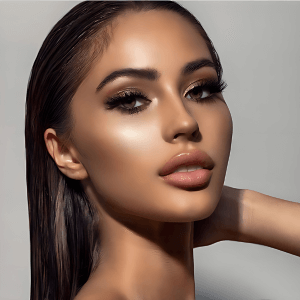


Sun spots, age spots and liver spots are a natural consequence of a lifetime of sun exposure — the skin’s melanin-producing cells respond to UV by depositing melanin in concentrated clusters, and over time these deposits become visible as the flat, well-defined dark spots most commonly seen on the face, backs of hands, neck and d?colletage. They are entirely benign and cosmetic in nature, but for many people they are a source of significant self-consciousness — a visible marker of ageing that, unlike fine lines or laxity, is one of the most amenable to targeted treatment.
IPL’s mechanism of action is well suited to this concern. The filtered light energy delivered by IPL is absorbed specifically by melanin — the pigment responsible for the colour of sun spots and age spots — converting the absorbed light to heat within the pigmented cells and disrupting the melanin deposit. The treated pigment gradually darkens over the days following treatment as the disrupted cells rise to the surface, then flakes away as the skin renews, leaving the treated area progressively clearer and more even. Over a course of sessions, the cumulative improvement in skin tone can be striking.
IPL for pigmentation treatment at Elements Medical uses a professional-grade IPL device, and all treatment is performed by trained practitioners following a consultation and test patch to confirm your skin’s suitability and response before a full course begins.
Our Doncaster clinic is on Thorne Road with on-site parking, and we welcome patients from across South Yorkshire including Rotherham, Wakefield, Sheffield, Leeds and Barnsley.
IPL stands for Intense Pulsed Light. Unlike laser, which uses a single specific wavelength, IPL uses a broad spectrum of light wavelengths that are filtered to target specific chromophores in the skin. For pigmentation treatment, the relevant chromophore is melanin — the natural pigment present at high concentration in sun spots, age spots and other areas of excess surface pigmentation.
When filtered IPL light reaches the skin, it passes through the surface and is absorbed by the melanin-rich cells in the pigmented area. The absorbed light energy converts to heat, which disrupts and destroys the pigmented cells without affecting the surrounding skin tissue. The body’s natural processes then clear the fragmented pigment, while the treated skin surface turns over and renews.
Visible treated spots typically darken over the two to five days after treatment — a normal and expected part of the process, indicating that the melanin has absorbed the light energy and the pigment is being broken down. Within one to two weeks these darkened areas begin to fade and flake away, revealing progressively clearer skin beneath. This cycle repeats across each session of the course, with cumulative improvement in the evenness and clarity of the skin tone.
Additionally, the thermal stimulus from IPL treatment triggers a mild collagen remodelling response in the dermis, contributing to an overall improvement in skin quality, brightness and texture alongside the specific pigmentation-fading effects.
The clinical evidence for intense pulsed light in the treatment of solar lentigines, sun spots and pigmentation is supported by peer-reviewed research. British Journal of Dermatology — IPL and pigmentation
Before treatment:
During treatment:
After treatment:
Every IPL pigmentation course at Elements Medical serves three clear therapeutic purposes.
1. Restoring a More Even, Clearer Skin Tone by Fading Unwanted Sun Spots and Age Spots
The primary purpose of IPL for pigmentation is to restore the even, clear skin tone that cumulative sun exposure has disrupted. By progressively breaking down the concentrated melanin deposits in sun spots, age spots and areas of uneven tone, a course of IPL treatment delivers a visible and meaningful improvement in the clarity, evenness and overall quality of the skin’s appearance in the treated areas. For many patients, the improvement in the tone and appearance of their skin following a course of IPL is among the most visible and satisfying aesthetic results available from any non-invasive treatment.
2. Maintaining Skin Clarity Through Consistent SPF Use and Periodic Maintenance Sessions
The results achieved through IPL treatment are genuine and long-lasting — treated spots are broken down and cleared by the body, and do not return in the same location. However, the same sun exposure and ageing processes that created the original pigmentation can produce new marks over time. Maintaining the results of an IPL course requires consistent daily broad-spectrum SPF use, sensible sun avoidance habits and, for many patients, periodic maintenance sessions to address any new pigmentation that develops. Approached this way, IPL is not a one-off treatment but part of an ongoing skin clarity maintenance programme that keeps the skin looking its best over the long term.
3. Protecting Confidence and Psychological Wellbeing by Addressing a Visible Cosmetic Concern
Sun spots and age spots — particularly when they appear on the face and hands — are among the most noticeable visible markers of skin ageing, and for many people they are a source of ongoing self-consciousness that affects how they feel about their appearance. The ability to address them effectively with a comfortable, no-downtime, in-clinic treatment that produces genuinely visible results has a meaningful and direct impact on self-confidence and psychological wellbeing. Feeling comfortable in your own skin without the constant awareness of unwanted marks is a quality-of-life benefit that the patients who complete an IPL course consistently report.
1. Directly targets melanin in sun spots, age spots and uneven pigmentation IPL’s filtered light energy is specifically absorbed by the melanin concentrated in pigmented spots, disrupting the pigment with precision while leaving the surrounding skin unaffected.
2. No downtime — normal activities resume immediately IPL for pigmentation requires no recovery time. The mild redness that may occur post-treatment resolves within a few hours, and patients can return to their day immediately after their session.
3. Treats face, neck, d?colletage and hands IPL is not limited to the face — it effectively treats sun-related pigmentation wherever it appears, including the neck, chest area and backs of hands where sun damage is extremely common.
4. Progressive, cumulative improvement across a course Each session builds on the previous, with treated spots fading progressively as the course advances. The overall improvement in skin tone clarity after a full course is substantially greater than from a single session.
5. Comfortable treatment with no anaesthetic required Most patients find IPL treatment very comfortable, describing the brief pulse sensation as minimal and well tolerated. No anaesthetic cream or injection is needed.
6. Also stimulates collagen for improved overall skin quality Alongside its pigmentation-fading effects, the thermal stimulus from IPL activates collagen production in the dermis, progressively improving skin texture, firmness and overall radiance throughout the course.
7. Long-lasting results when maintained with daily SPF Treated sun spots and age spots are broken down by the body and do not return in the same location. Results are long-lasting when protected by consistent daily broad-spectrum SPF use and sensible sun avoidance.
Sun Spots (Solar Lentigines)
Sun spots — also called solar lentigines — are flat, well-defined patches of darker skin caused by concentrated melanin deposition following UV exposure. They most commonly appear on the face, d?colletage and backs of hands after years of accumulated sun exposure. IPL is one of the most effective non-invasive treatments for solar lentigines, with targeted light energy directly addressing the melanin responsible for their colour and producing a progressive and often dramatic improvement in their appearance over a course of sessions.
Age Spots and Liver Spots
Age spots and liver spots are superficial pigmentation marks that develop as part of the natural ageing process, typically on sun-exposed areas. Like solar lentigines they are caused by melanin deposition, and they respond well to IPL’s targeted light energy. Most patients see significant fading of age spots across a course of treatment, with the treated skin tone becoming visibly more even and clear.
Freckles and Sun-Induced Pigmentation
IPL is effective for reducing the appearance of freckles and broader areas of sun-induced pigmentation where the concern is overall uneven skin tone rather than discrete spots. Multiple treated freckles or diffuse areas of pigmentation respond to IPL across a course, progressively improving the overall clarity and evenness of the complexion.
Pigmentation on Face, Neck and D? colletage
The face is the most common treatment area, but sun-related pigmentation on the neck and d?colletage — areas that receive significant sun exposure throughout a lifetime — responds equally well to IPL treatment. Combined face and neck or face and d?colletage treatment allows for consistent improvement across the full upper body area that is visible in daily life.
Pigmentation on Hands
The backs of the hands are one of the most common locations for sun spots and age spots, and one of the areas where visible pigmentation most noticeably signals accumulated ageing. IPL treatment for hands is straightforward and effective, and is an important complement to facial IPL for patients who want a consistent improvement across all exposed areas.
LaseMD is a non-ablative thulium fibre laser resurfacing treatment that also addresses pigmentation, uneven skin tone and overall skin quality — but through a different mechanism and with a different treatment experience.
LaseMD uses fractional laser energy to create micro-treatment zones in the skin, triggering a renewal and remodelling response that improves pigmentation, texture and overall skin quality progressively across a course. It produces one to three days of mild redness and some frosting immediately after treatment.
IPL for pigmentation uses broad-spectrum filtered light absorbed by melanin in specific spots, making it the more targeted option for discrete sun spots and age spots with a no-downtime treatment experience. LaseMD tends to produce a broader improvement in overall skin quality alongside its pigmentation benefits, making it a stronger option when the concern is general skin quality and diffuse tone rather than specific, discrete spots.
In practice, the right choice depends on the nature of your pigmentation, your skin type and your preference for treatment experience. Your practitioner will advise at consultation.
NeoGen Plasma also treats pigmentation and uneven skin tone as part of its broader skin resurfacing effects — but it sits at a significantly higher level of treatment intensity than IPL.
IPL for pigmentation is a no-downtime, comfortable treatment well suited to discrete sun spots, age spots and areas of sun-induced pigmentation in patients who want effective results without any recovery period.
NeoGen Plasma at higher energy settings produces a fully ablative resurfacing response with seven to ten days of recovery, suited to more extensive photodamage, significant skin laxity or deeper structural concerns that require a resurfacing approach rather than targeted light energy.
For most patients with sun spots and age spots as their primary concern, IPL is the appropriate and proportionate treatment. NeoGen may be discussed where more extensive photodamage or combined structural concerns make a resurfacing approach more appropriate.
DermaQuest chemical peels improve the appearance of pigmentation and uneven skin tone through accelerated surface cell turnover and exfoliation. They are effective for general brightening, mild surface pigmentation and overall skin radiance improvement.
IPL works through a fundamentally different mechanism — targeted light energy absorbed by melanin in specific pigmented spots — making it more directly effective for discrete sun spots, age spots and clearly defined pigmented areas than surface exfoliation alone.
The two approaches are often complementary: peels improve the overall quality and brightness of the skin surface, while IPL specifically targets the concentrated melanin deposits in individual spots. A combined programme using both at appropriate intervals can produce better overall results for patients with both general uneven tone and specific pigmented marks. Your practitioner will advise.
At Elements Medical, every IPL course begins with a consultation and test patch — because no two patients’ skin or pigmentation concerns are identical, and the parameters and number of sessions that will produce the best result for your skin need to be assessed individually before treatment begins.
We are transparent about realistic outcomes and will always tell you at consultation what IPL can and cannot achieve for your specific concern. Where a different or complementary treatment would serve you better, we will say so.
Our complete Laser and IPL range also includes IPL for rosacea, IPL for thread veins and IPL for skin rejuvenation, as well as our full range of laser and plasma resurfacing treatments.
Read what our patients say on our Google Reviews page.
15 - 30 minutes
Results can be seen instantly, however the full results will be seen after the cell renewal cycle of 28 days. We recommend you repeat treatment every 4 weeks.
Erythema (redness), swelling and scabbing may occur.
None
Immediately
Not required

 Am I suitable candidate for the treatment?
 IPL works best on superficial skin pigmentation such as freckles, sun spots and age spots. It is not suitable for many darker skin tones or any pigmentated areas which are raised or bumpy.
Does the treatment hurt? The pain is often compared to that of an ‘elastic band flick’ – it is tolerable for most people and is very minimal.
How long do the results last? Results are permanent but further pigmentation may occur with natural aging or more sun exposure.
Please read our disclaimer for more information
Select Your Treatment
Browse through our website and choose the treatment that’s right for you.
Book Online or Call Us
Follow the link below to book your treatment online. Or call us on 01302 34 34 32
Complete Your Forms
Your medical history form will be emailed for you to complete before you attend.
Select Your Treatment
Browse through our website and choose the treatment that’s right for you.
Book Online or Call Us
Follow the link below to book your treatment online. Or call us on 01302 34 34 32
Complete Your Forms
Your medical history form will be emailed for you to complete before you attend.

Call us: 01302 34 34 32
Email us: reception@elements.org.uk
Visit our Instagram
Visit our Facebook
Visit our TikTok
Contact us on WhatsApp